From July 20 to 24, 2026, the Buffon Academy summer camp took place in Ennigerloh, Germany. The five-day programme brought together 60 young goalkeepers.
The children trained according to the Buffon Method. This goalkeeper training system focuses on match situations: how to choose the right position, when to take a step, how to react to a shot and how to secure the ball.
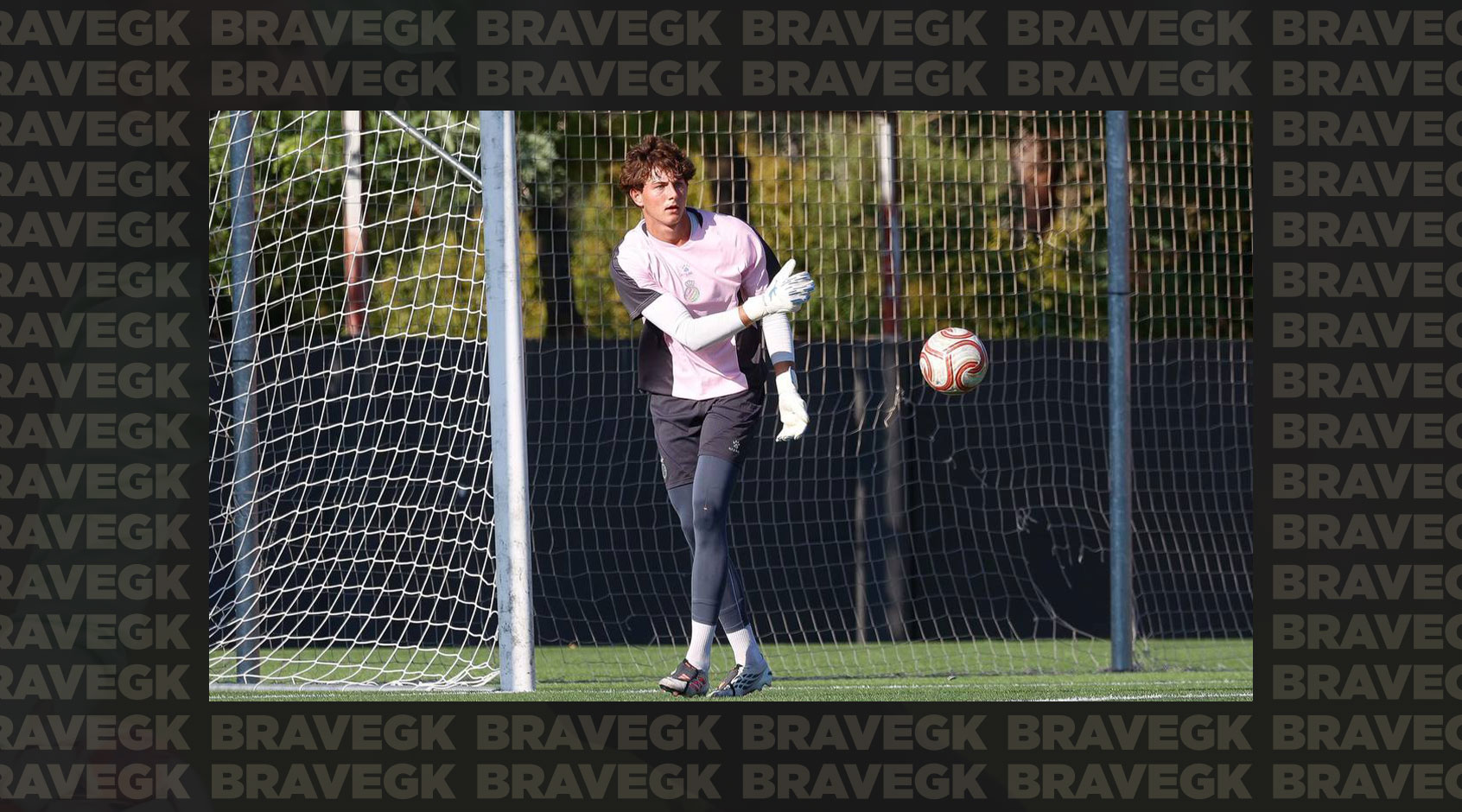
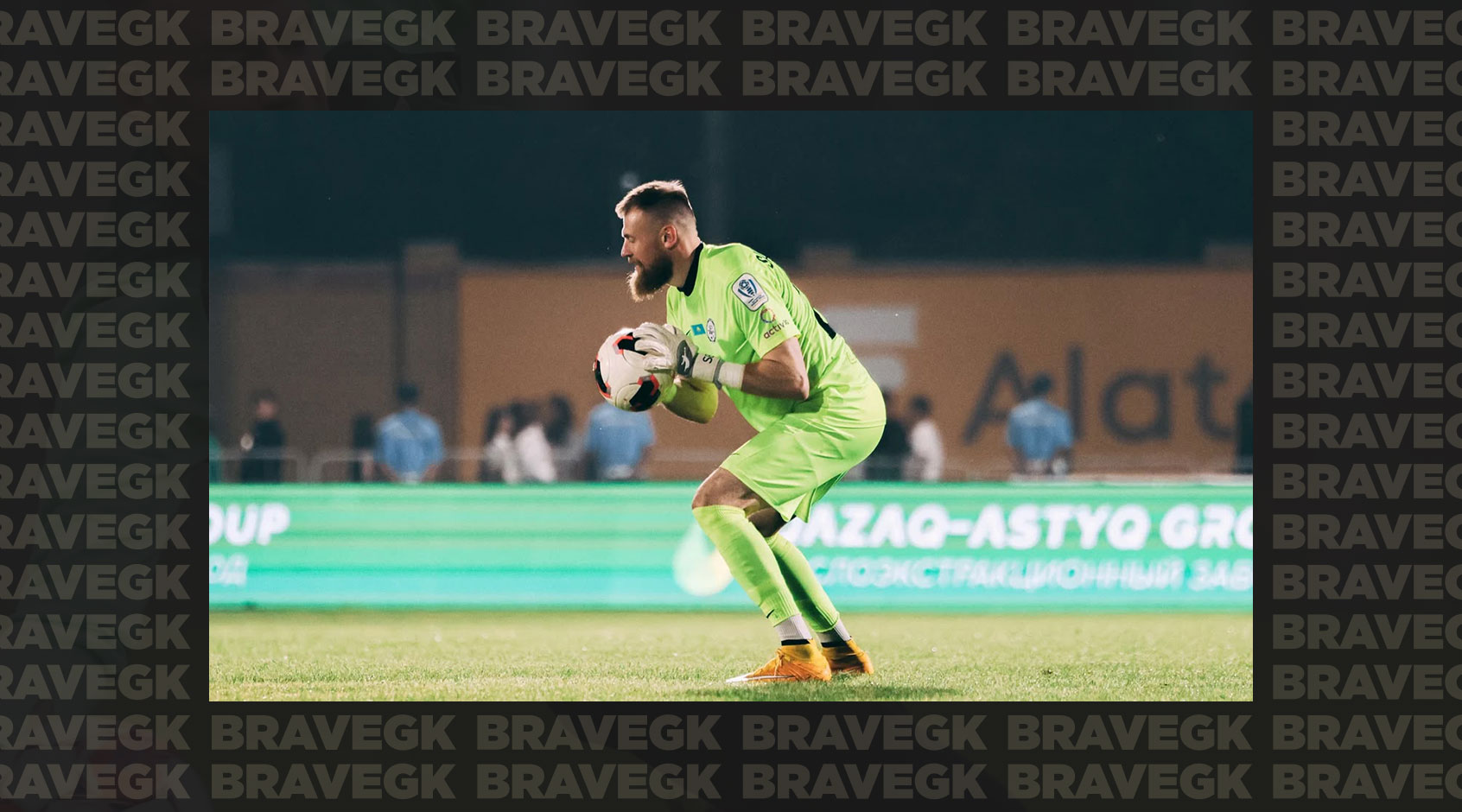
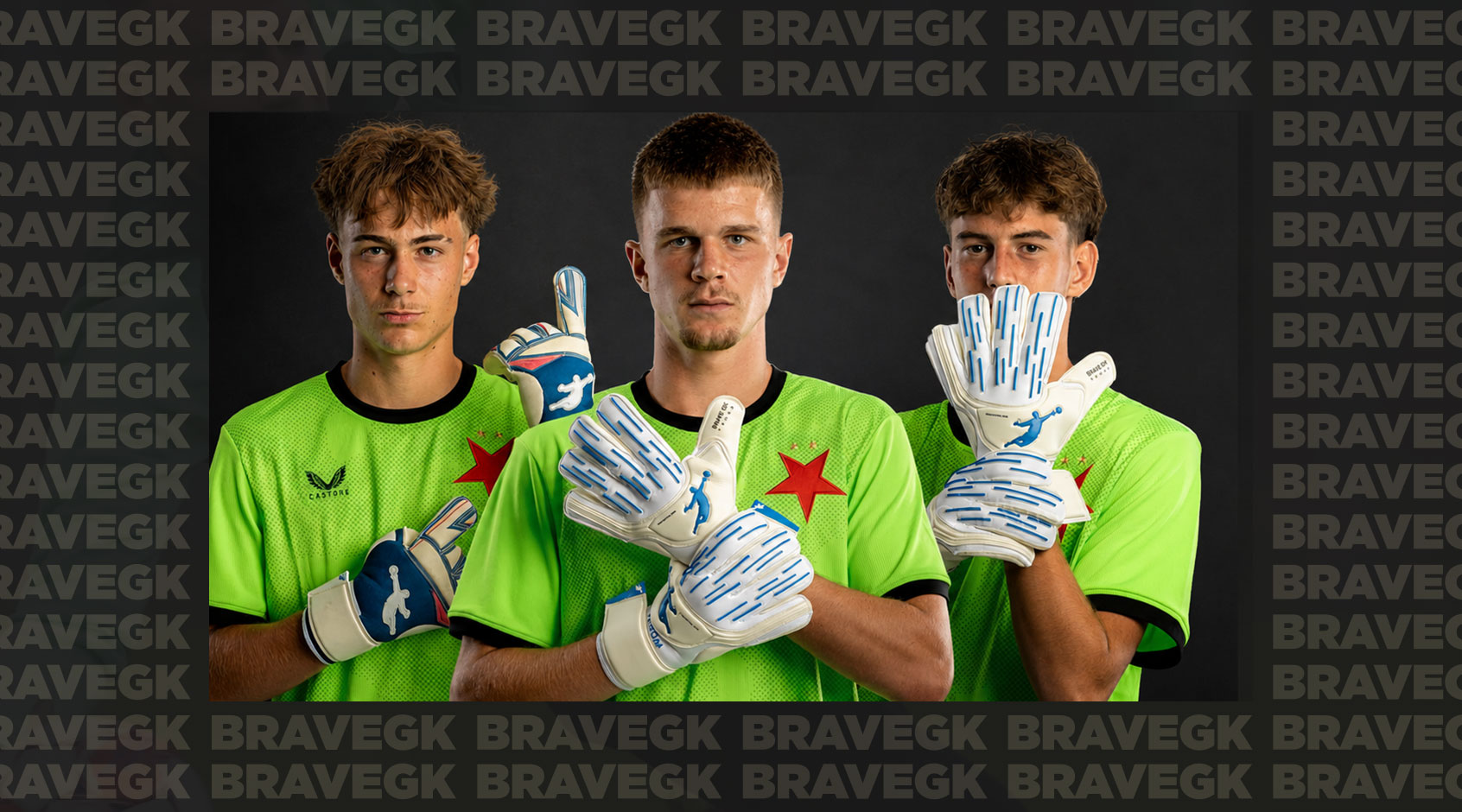
Several young goalkeepers at the camp wore Brave GK gloves. The models included the white-and-blue Venom NWB and the black-and-green Winner Extreme.
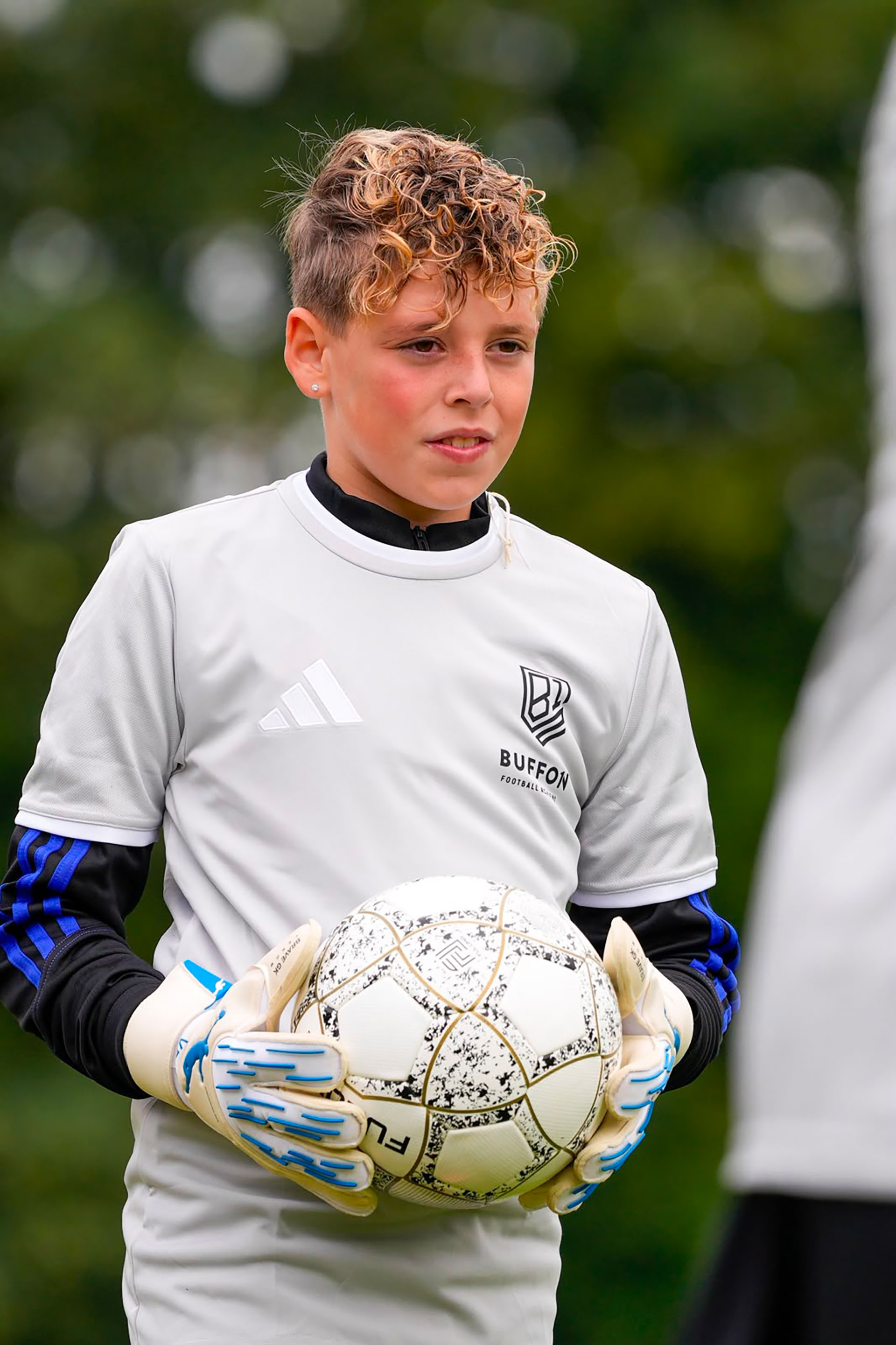
The academy opened in 2021 and is based on Gianluigi Buffon's training philosophy. The Buffon Method focuses on decision-making and the versatility required of a modern goalkeeper.
Children learn not only to catch the ball repeatedly, but also to understand each situation. They need to take the correct position, step forward at the right moment, react to the shot and perform the required technical action at exactly the right time.
At the camp, the children trained in groups, completed ball drills near the goal, listened to the coaches and watched how other goalkeepers worked. This format helps young players recognise different match situations and gradually transfer training exercises into real games.
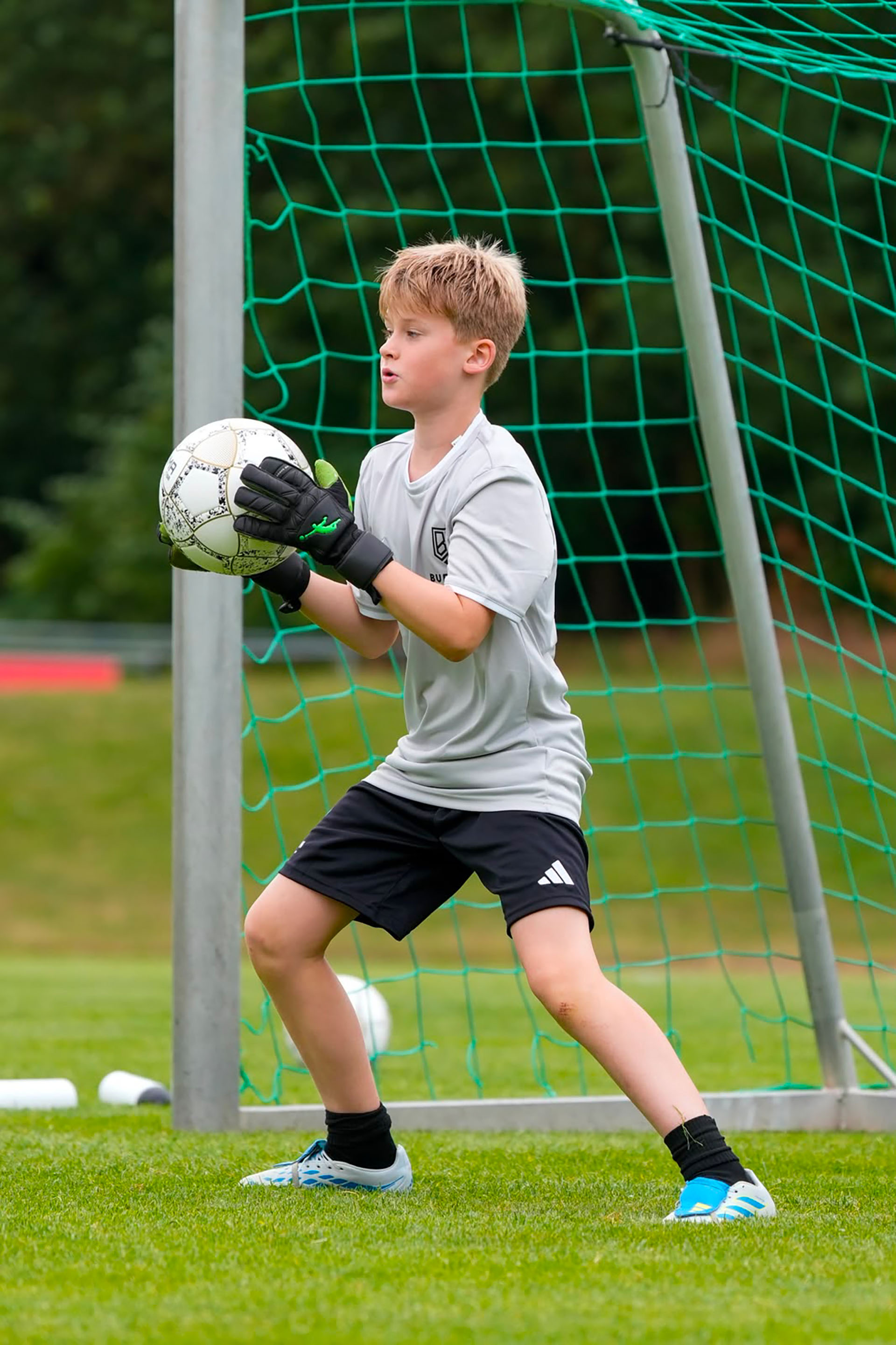
Several young goalkeepers at the camp wore Brave GK gloves. The children worked actively on the pitch and completed a range of exercises.
Different Brave GK models can be seen in the footage. One of the children wore the white-and-blue Venom NWB goalkeeper gloves. This model offers a close fit, a secure wrist closure and the Fix Fit system. This construction helps the glove remain firmly in place during dives, one-on-one situations and sudden movements.
The black-and-green model in the photo is Winner Extreme. It features a durable backhand, 4 mm Contact latex and 4 mm of cushioning to soften the impact of the ball.
A young goalkeeper's hands are placed under considerable strain during every training session. They catch the ball, dive, face shots and move around the goal.
The child also needs to secure the ball after a save and may sometimes punch it away. For all these actions, the gloves must fit comfortably and allow unrestricted movement.
Goalkeeper gloves must be the correct size. If they are too large, the hand moves inside the glove and it becomes more difficult for the child to catch the ball cleanly. If they are too small, the fingers are compressed, wrist movement is restricted and training becomes less comfortable.
Grip helps prevent the ball from slipping away after a shot. The cushioning layer softens the impact when receiving the ball. This is important when a child repeatedly faces powerful shots during training.
A flexible construction helps the goalkeeper catch the ball, punch it away and quickly return the hand to a ready position. Ventilation matters during summer training sessions. A secure fit provides additional stability during dives and sudden movements.
Different Brave GK models address these needs in different ways: through aqua latex, the Fix Fit stabilisation system, different glove cuts, cushioning, ventilation or a reinforced backhand.
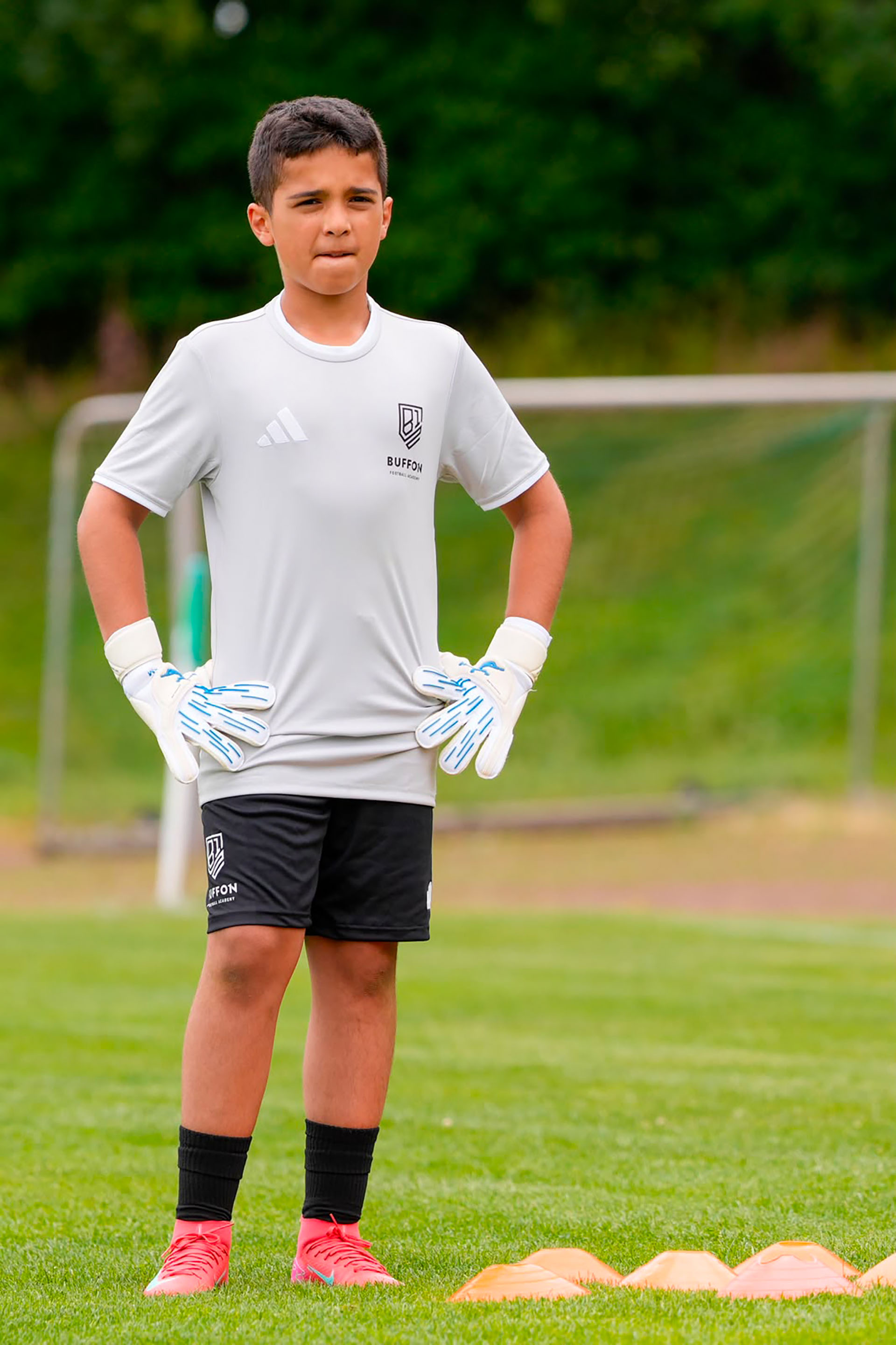
A soft palm is not the only important feature in children's goalkeeper gloves. During training, a child catches the ball, dives, punches it away, gets back up quickly and returns to position.
That is why every part of the glove should support the goalkeeper in a specific situation.
Aqua latex is designed for working with a wet ball. When it rains, the pitch is damp or the ball becomes slippery, it is more likely to slip out of the hands without the right type of latex.
In Brave GK Air Aqua and Diamond Aqua gloves, aqua latex helps children catch and secure the ball with greater confidence in wet conditions.
Fix Fit is an internal hand-locking system. It helps prevent the palm from sliding inside the glove. This is important during dives, one-on-one situations and sudden changes of direction.
If the glove shifts, it becomes more difficult for the child to catch the ball cleanly.
The glove cut affects how the child feels the ball. Rollfinger and Roll Hybrid cuts increase the contact area, allowing the hand to wrap around the ball more effectively when catching it.
Negative Roll provides a closer feel around the fingers. Flat Cut is a straightforward construction with a simple, familiar fit. This makes it a good option for regular training and fundamental goalkeeper work.
The cushioning layer softens the impact of the ball. This is especially important for children who repeatedly face shots during training.
The cushioning does not remove the impact completely, but it reduces the force of contact with the ball. This makes repeated exercises more comfortable for the child.
The backhand supports punching, protects the surface of the glove and adds overall stability. Venom NWB, for example, features a neoprene backhand with latex reinforcements.
In Skill 2.0, the segmented backhand allows the wrist to bend more naturally.
Ventilation is important during summer training sessions and camps. When children move intensively, their hands begin to sweat more quickly. Ventilated inserts help keep the hands comfortable for longer, especially during active work on the pitch.
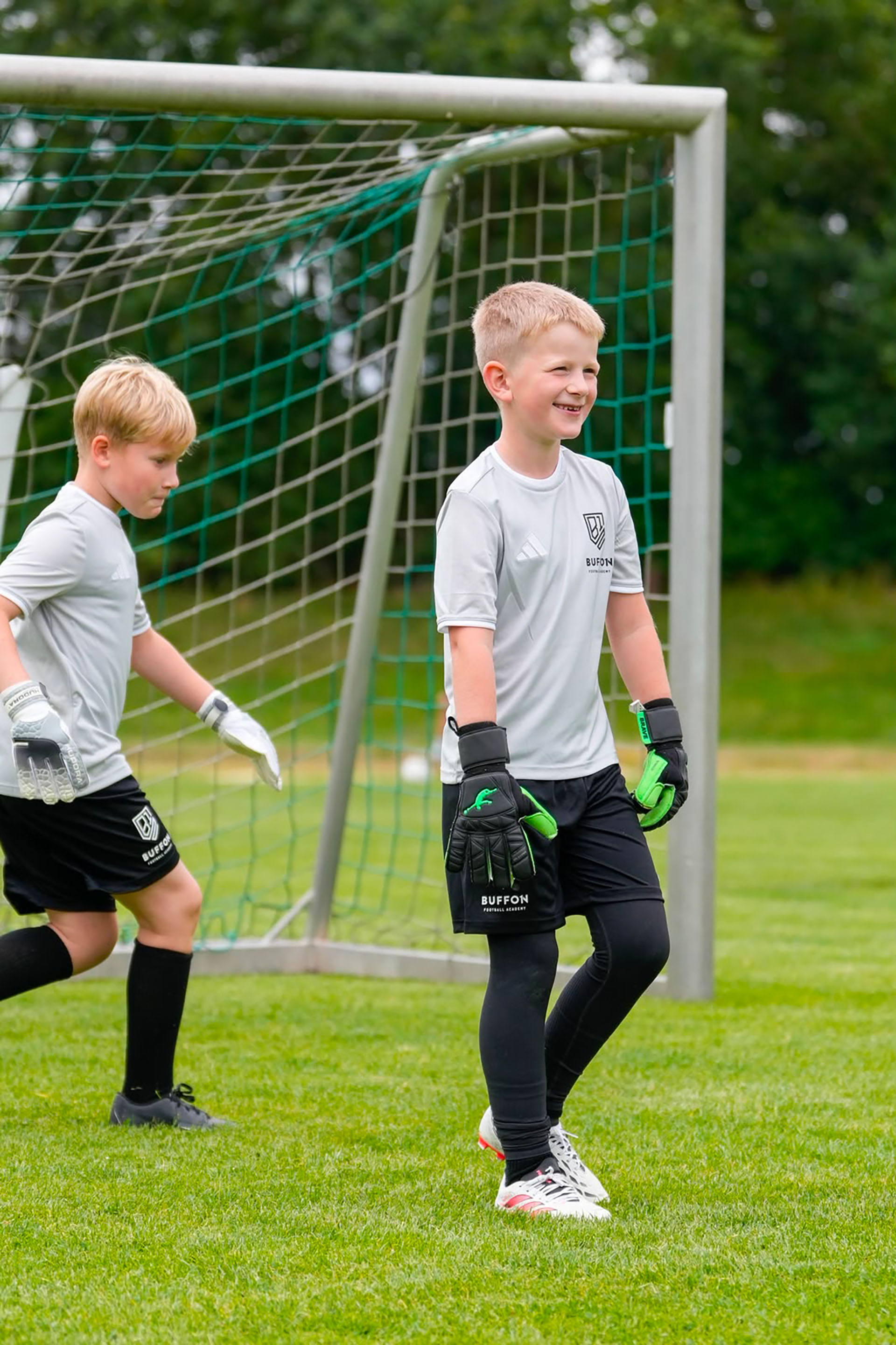
Children's goalkeeper gloves should be chosen according to four criteria: hand size, training frequency, weather conditions and the child's role on the pitch.
Do not choose a model based only on colour or buy a larger size for the child to grow into. The glove should help the young goalkeeper work with the ball effectively right now.